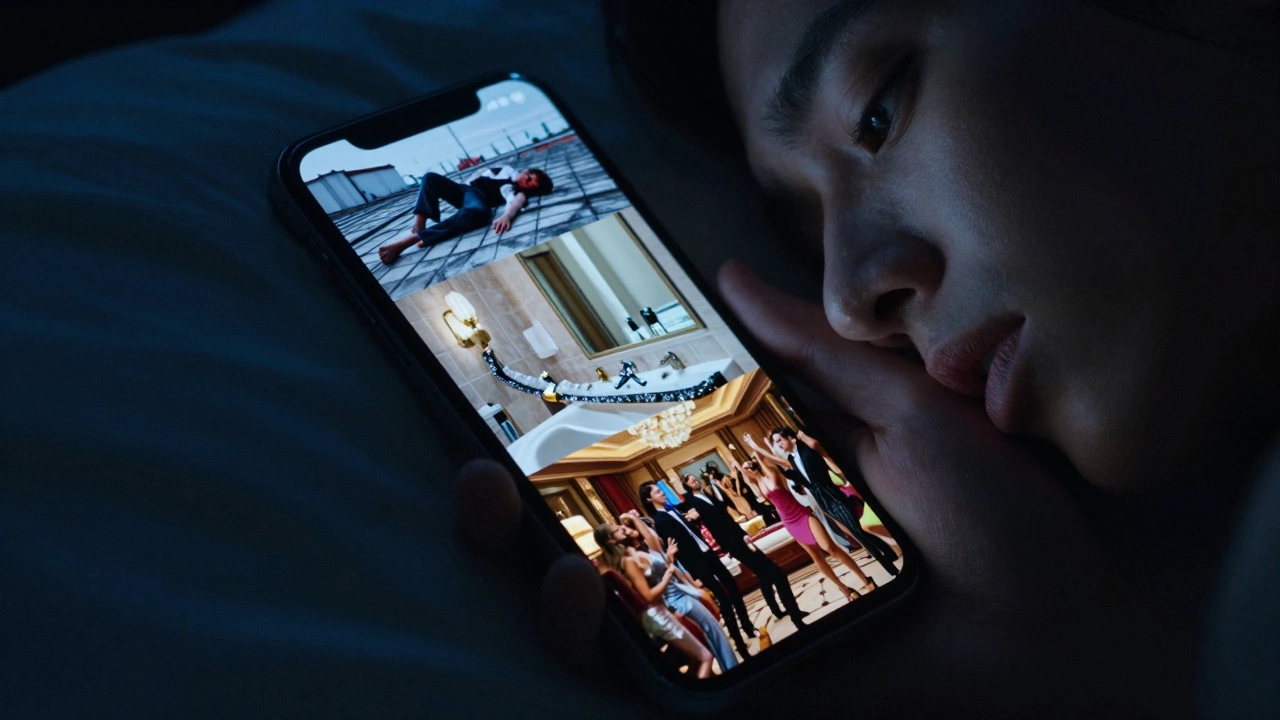
Scrolling through your feed at 2 a.m., you see it again: a video of someone passed out on a rooftop in Ibiza, a celebrity’s private text leak, a live stream of a party where drugs are passed around like snacks. These aren’t news reports. They’re not even gossip. They’re digital spectacles - designed to trigger, not inform. The internet doesn’t just report on chaos anymore. It manufactures it. And the cost isn’t just your attention. It’s your sense of what’s real.
Some sites even turn this into a business model. Want to see how "elite escort dubai" operates in the shadows of luxury hotels? There’s a video for that. A blog post. A TikTok trend. It’s not about understanding the people behind the headlines. It’s about selling the fantasy of excess - and making sure you keep watching. One click leads to another, and soon you’re deep in a loop where shock is the only currency that matters.
Why Sensationalism Feels Like Truth
Your brain is wired to notice danger, sex, and novelty. That’s evolution. But the internet doesn’t care about evolution. It exploits it. Algorithms don’t know the difference between a documentary about addiction and a drunken rant filmed in a Vegas bathroom. They only know what gets clicks. So the loudest, most graphic, most emotionally charged content rises to the top. And over time, you start believing that’s what life actually looks like.
When every influencer posts about all-night parties, cocaine lines on bathroom mirrors, and hookups with strangers, it creates a distorted reality. People begin to think: If everyone’s doing it, it must be normal. But normal doesn’t trend. Normal doesn’t go viral. Normal doesn’t get you sponsored by a vodka brand.
The Human Cost Behind the Clicks
Behind every viral clip of someone passed out on a yacht is a person who may have lost a job, a relationship, or their mental health. These aren’t characters in a reality show. They’re real people - often young, often vulnerable, sometimes trapped. And the people filming them? They’re not journalists. They’re content creators chasing the next dopamine hit.
There’s a difference between reporting on a problem and turning it into entertainment. When a news outlet covers opioid addiction with interviews, data, and expert analysis, it’s journalism. When a YouTube channel films a 19-year-old injecting drugs while laughing and says, "This is what partying looks like," it’s exploitation. And the line between them is disappearing.
How It’s Changing Culture
Teenagers now grow up thinking late-night binges and risky behavior are the price of being "cool." Schools report rising cases of anxiety and depression linked to social media comparisons. Kids mimic dangerous stunts they see online - not because they want to, but because they think it’s expected. The pressure to perform chaos has become a cultural norm.
Even brands are getting in on it. Luxury hotels in Dubai now advertise "exclusive experiences" that include private parties, VIP access, and curated nightlife. Some even partner with influencers to create content that blurs the line between promotion and provocation. It’s not about service anymore. It’s about spectacle. And that’s why you’ll see mentions of escort girls in dubai tucked into travel blogs - not as a service, but as a symbol of decadence.
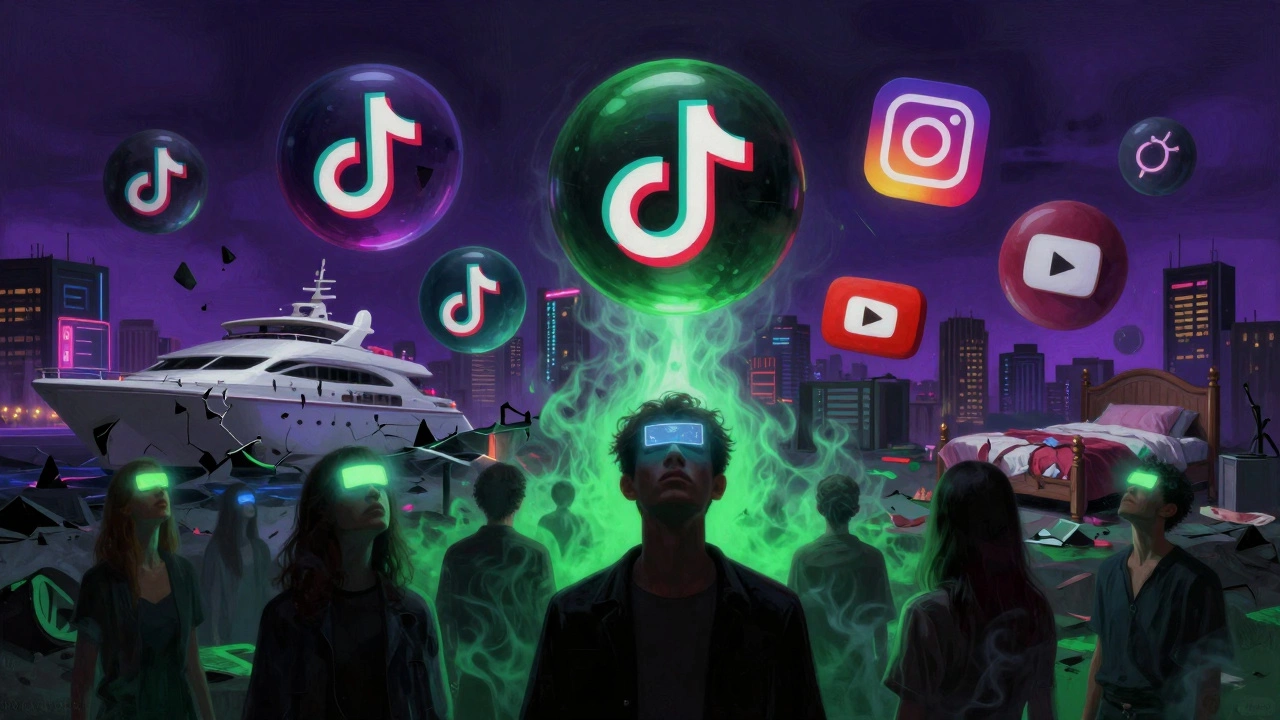
The Role of Algorithms
Platforms don’t decide what’s right or wrong. They decide what’s profitable. And profit comes from engagement - not truth. So if you watch one video of a drug-fueled party, you’ll get ten more. If you pause on a post about a celebrity’s breakup, you’ll be fed every rumor, every leaked photo, every fake account pretending to be their ex.
There’s no "undo" button for this. Once your feed learns you’re drawn to chaos, it will keep serving it. And you won’t even notice how much your view of the world has shifted. You start thinking everyone is living like this. You start thinking your quiet, ordinary life is boring by comparison.
Where the Line Gets Blurred
It’s not just about sex and drugs. It’s about identity. People now define themselves by the extremes they’ve survived or performed. "I did a 72-hour rave in Berlin" becomes a resume line. "I slept in a club for three nights straight" becomes a badge of honor. This isn’t rebellion. It’s performance. And it’s exhausting.
Even those who try to speak out get drowned out. A mental health advocate posting about burnout gets 300 likes. A video of someone vomiting in a bathroom gets 3 million. The algorithm doesn’t care about healing. It cares about views.
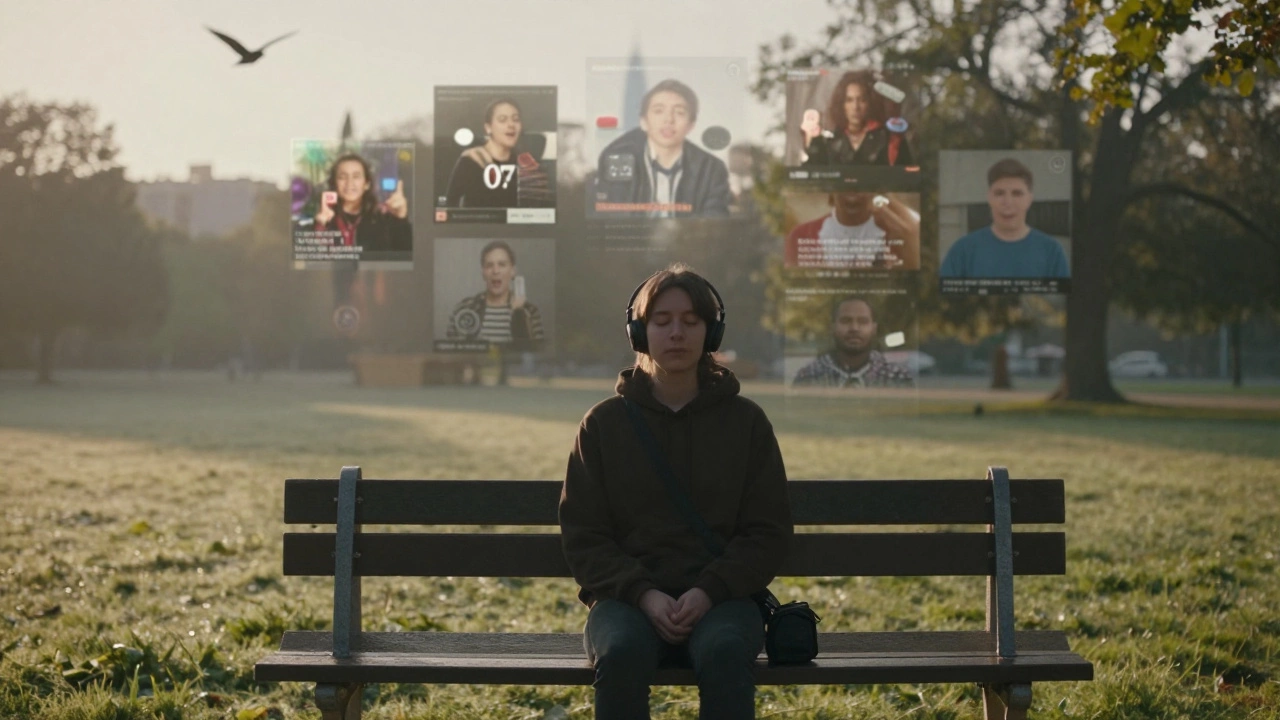
What You Can Do
You can’t delete the internet. But you can change how you use it.
- Unfollow accounts that make you feel worse about your life.
- Turn off autoplay. Seriously. It’s the biggest trap.
- Ask yourself: "Would I show this to my mom?" If the answer is no, don’t share it.
- Seek out creators who focus on depth, not drama. People who talk about recovery, not relapse.
- Limit your screen time before bed. Late-night scrolling rewires your brain to crave stimulation when you should be resting.
There’s nothing wrong with wanting to have fun. But when fun becomes a performance, and performance becomes your identity, you lose the ability to just be.
It’s Not About Morality - It’s About Sanity
This isn’t a moral panic. It’s a mental health crisis disguised as entertainment. The internet didn’t create chaos. It just gave it a stage. And now, millions are watching - and believing - that this is normal.
Real life doesn’t have a soundtrack. Real relationships don’t end in viral clips. Real recovery doesn’t come with a hashtag. And real joy doesn’t need to be filmed to be valid.
Maybe the most radical thing you can do today is scroll past the next sensational post. Close the app. Breathe. Remember what your life looks like when no one’s watching.
And if you ever find yourself wondering if "eurogirlsescort dubai" is part of some glamorous lifestyle - ask yourself: Who’s really benefiting from that image? And who’s paying the price?




Write a comment